About.
There’s a lot being built with AI right now, and much of it is genuinely useful. What’s harder, especially if your day job isn’t the technology, is knowing where it fits in your business: how to wire it into workflows that already work, validate the outputs, train the people who’ll use it, and decide what to do when it’s wrong.
That’s what we do. The model is the engine; we’re the people who steer, brake, and navigate.
We came out of years building large content systems for the UN, Harvard, the European Commission, and dozens of others. We learned how to ship things that survive contact with actual users, and that lesson translates directly to AI: the demo isn’t the product, the integration is.
When it works, the payoff isn’t speed alone. It’s decisions that used to be too expensive to investigate. Customers your team couldn’t reach. Work the business avoided because it didn’t scale. Done right, AI doesn’t just compress what you already do. It opens what you couldn’t.
We’re a small team. We pick our engagements carefully, and we’ll tell you when AI isn’t the answer.
The Humans.
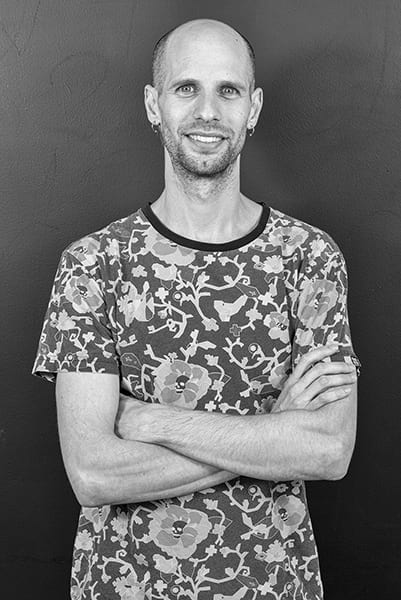
Fifteen years of building large content platforms for the UN, Harvard, and the European Commission. Now focused on where AI actually fits in production: agents, extraction pipelines, and the integration plumbing that makes a model useful instead of merely impressive.
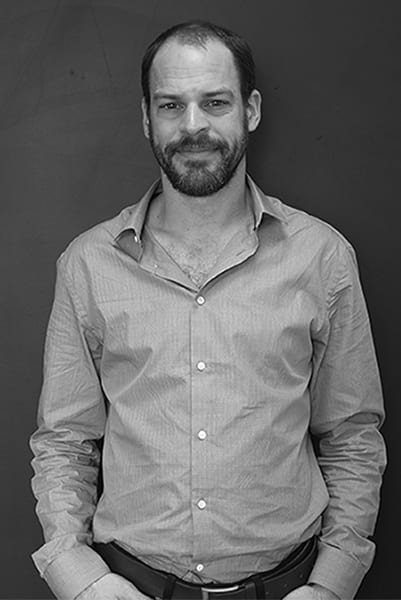
Runs the infrastructure side: multi-site hosting at scale, deploy automation, and on-call practices that don't burn out the team. If the AI is in production, Brice is what's underneath it.
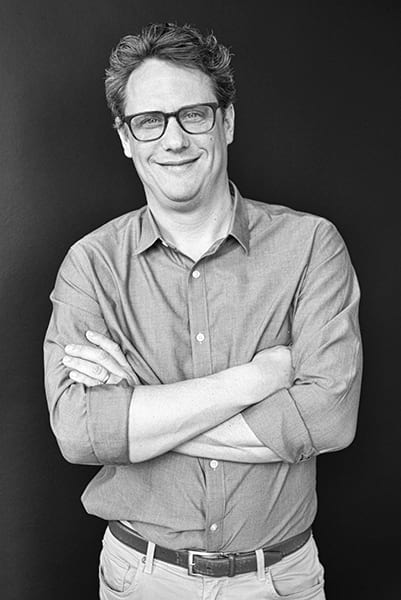
USA-based. Sets direction on engagements and on the design side: what to build, what to cut, how to present it. Spends his better days at Wrigley Field.

Translates between client deadlines and engineering reality. When the calendar and the work disagree, she's the one helping figure out what ships first and what waits.

Long-time platform engineer. Architect on the infrastructure side: picking the right hardware, the right deployment shape, and the right automation patterns for AI workloads that have to run reliably in production. Performance has been the through-line for two decades; AI doesn't change that.

Designs the surfaces where operators actually meet the model. When the system gets something wrong, the interface is what makes that visible in time to catch it, not after the fact.