Auction houses
What you need used to be too expensive for a house your size. AI changed that. We point it in the right direction.
How it could look for you
- Throw your items at AI and get a catalog draft, with descriptions, tags, and a suggested sale order
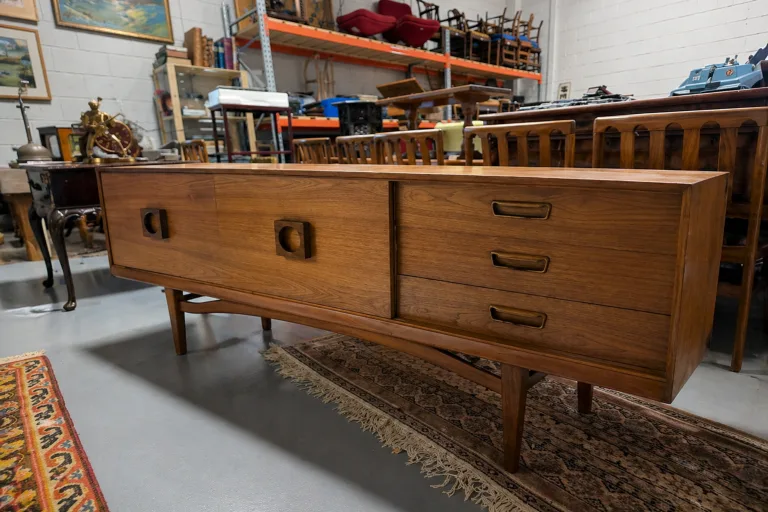
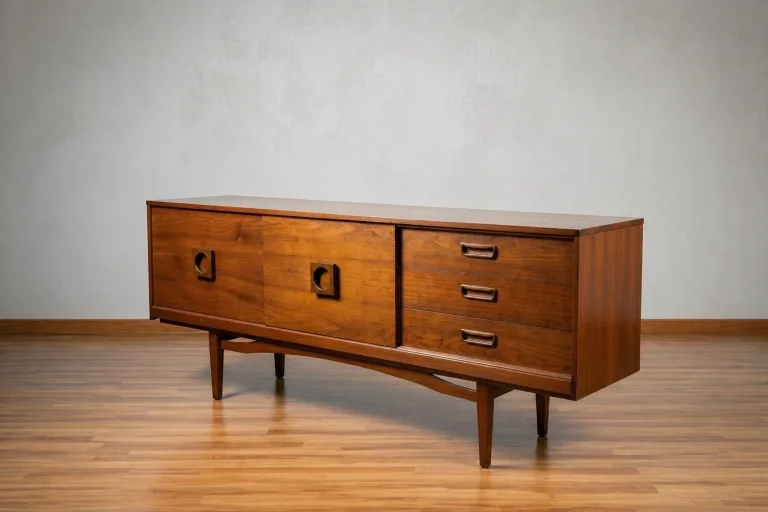
- Let AI turn your catalog photos into studio-quality images. Same item, better light and background
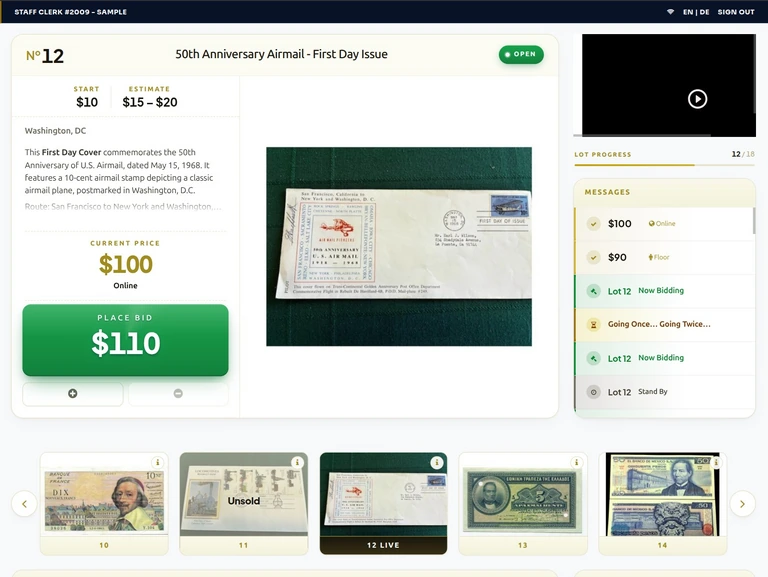
- Mail bids, online bids and the ones left by agents, all in one place instead of three
- That thing you've been dreaming about. AI can build it, and free your time to do better things
Drag the slider to compare.
Ask anyone outside the trade what they know about auctions and you will hear
it straight away: going once, going twice, sold. Some, the more funny ones, will
keep going, about some elaborate heist, depending on which films they grew up on.
Read more…
Not one of them could tell you how it actually works. The preparation, the photography, the catalogs, the lot descriptions. The mail bids, the online bids, the bids left by agents. Payments, commissions, shipping, the happy clients and the ones who are anything but. So much work for every single lot, and so much copy-paste. It is not digging ditches under a blazing sun, but nobody would call it easy either.
Maybe you have different software for different parts of it. Maybe you run it truly old-school, on some collection of unholy Excel sheets that, at this point, only you can decipher. Either way, you already know there could be a better way. These are the AI days, and doing the same copy-paste over and over is no longer justified.
Our world, the software world, changed beyond recognition in the past year. We have been at this for twenty years and have never seen anything like it. Suddenly, writing code became cheap. Hand something to AI and it will not stop producing lines of code. It is astonishing. And, as you can imagine, without expert guidance, it’s a hot mess.
In our field, whoever has not embraced AI has already lost the next client. Among auction houses? If it has not happened yet, it is getting close. That is not FOMO talking. It is the reality.
So why not use it? Why keep doing the repetitive, error-prone work by hand when solving it has become this affordable?
Here are two small examples that may be relevant to you too. They are only examples. The fun part is that small, smart tools can be built to fit your needs exactly.
The first one is the catalog. Throw all the photos at AI and let it do the setup: sort the lots, draft a description and the right tags for each, and even suggest the sale order. We do not want to make it sound like magic, but there really is a lot of this you can hand off.
And since we are on photos, here is the second one. Instead of publishing the shots exactly as the seller sent them, what if AI turned them into studio-quality images? The lot stays exactly what it is, same wear, same everything. Only the lighting and the background come out looking much, much better.
Today you can write less and do fewer manual steps, and spend the time where it counts: on decisions. AI executes, but it needs direction. That direction, that judgment, is why clients come to you in the first place. It deserves your time and attention, and that is exactly what we free up.
Building these tools, smart, secure, and fast: that's our expertise.
Will the descriptions read as AI-generated?
They will if they are generic, and bidders notice. So the drafts come from your own back catalog, years of your descriptions in your phrasing, rather than a generic model voice.
How does it decide an opening price?
By looking at what comparable lots actually sold for, your own past sales first, public auction records second, then handing you a range with the comparables attached. A range, say $400 to $600, rather than a single number to argue with. You keep the call. You just make it against sales you can open and check instead of a half-remembered result from two cycles ago.
Is an enhanced photo still an honest picture of the lot?
It has to be, or you have a bigger problem than photography. What changes is the lighting and the background. What does not change is the item: same wear, same chips, same fading, same old repair.
Does this fit the software we already run?
Both ways work. It can sit alongside what you already have and cover only the parts your software never did, which is usually where the copy-paste lives. Or you can migrate onto it properly, when that makes more sense than keeping two systems.
Can we start with one part of it?
Yes. It is built in pieces, so you can take one and leave the rest. Start with whichever part hurts most, often the cataloguing, and let it grow from there once you can see it working.