Field clinics
What you need used to be too expensive for an organization your size. AI changed that. We point it in the right direction.
How it could look for you
- AI building the bridges out to OpenMRS, to FHIR, to whatever your funders ask for
- AI models you own, going through your data and answering your questions
- That thing you've been dreaming about. AI can build it, and free your time to do better things
Drag the slider to compare.
We are probably not taking much of a risk in saying that if your organization
runs field clinics, you are short on people and short on budget. If it is any
comfort, you are not the only ones.
Read more…
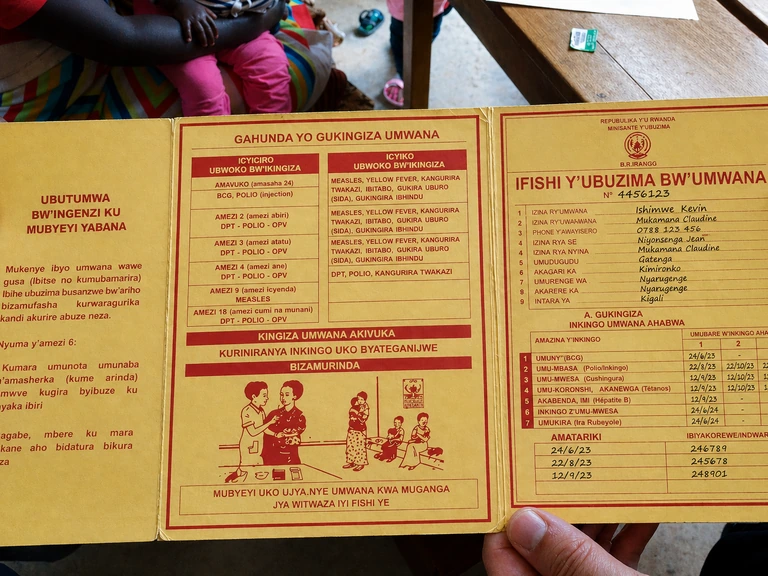
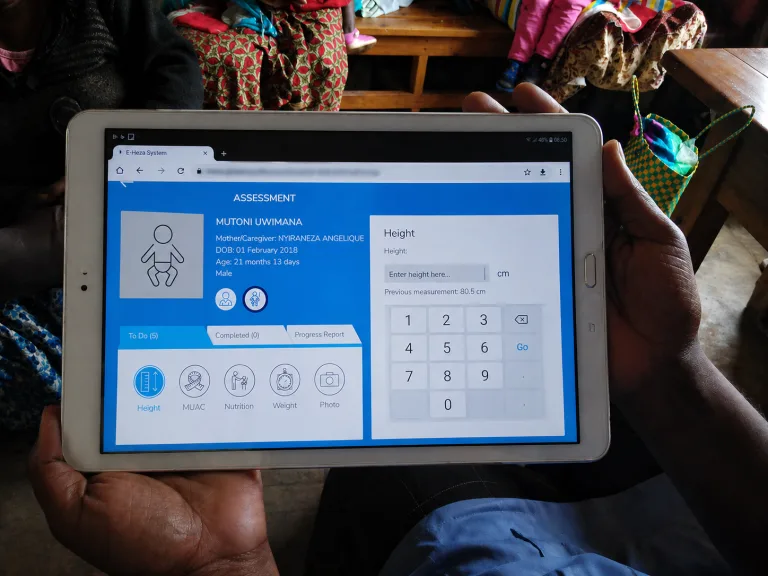
We know this one up close. Close as in: get on a plane, cross the Atlantic, two more connections, then a three-hour drive from the nearest town on roads where you are better off closing your eyes. In our case it was a room full of mothers and babies. Picture an empty room, now fill it in your head until there is no space left. Now make it loud.
You know this better than we do. Logbooks filled in by hand, or an old computer, or a tablet that keeps stalling, an internet connection on the good days, and there aren’t many good days.
And then, back at the office, entering all of it and trying to make sense of it with systems that were not built for exactly what you do. Copy and paste, copy and paste. Except that these are the AI days, and doing the same copy-paste over and over is no longer justified. There is also a limit to how much hope you can put into the custom Excel sheet you built having no mistake in it.
Our world, the software world, changed beyond recognition in the past year. We have been at this for twenty years and have never seen anything like it. Suddenly, writing code became cheap. Hand something to AI and it will not stop producing lines of code. It is astonishing. And, as you can imagine, without expert guidance, it’s a hot mess.
In our field, whoever has not embraced AI has already lost the next client. Among health organizations? If it has not happened yet, it is getting close. That is not FOMO talking. It is the reality.
So why not use it? Why keep doing the repetitive, error-prone work by hand when solving it has become this affordable?
Here are two small examples that may be relevant to you too. They are only examples. The fun part is that small, smart tools can be built to fit your needs exactly.
The first one is the thing you have been dreaming about for years: hand all of your data to AI, have it spot the patterns and help you draw the conclusions. If only you could pull it out of all those different sources and let AI work through it for you. And not once, but continuously, so that every day that passes brings its own findings up to the surface.
The second one is speaking the formats other people need. Connecting to OpenMRS, or to FHIR, or to whatever your funders and donors are asking for. Even if only to show them it can be done. You are on the right track. What you need is for them to keep backing you, with money and with open doors. We are not the clinicians here. But we have sat through enough grant cycles and ministry reviews to know how much rides on showing up with your data in the shape that was asked for.
Today you can write less and do fewer manual steps, and spend the time where it counts: on decisions. AI executes, but it needs direction. That direction, that judgment, is why funders come to you in the first place. It deserves your time and attention, and that is exactly what we free up.
Building these tools, smart, secure, and fast: that's our expertise.