Law firms
What you need used to be too expensive for a firm your size. AI changed that. We point it in the right direction.
How it could look for you
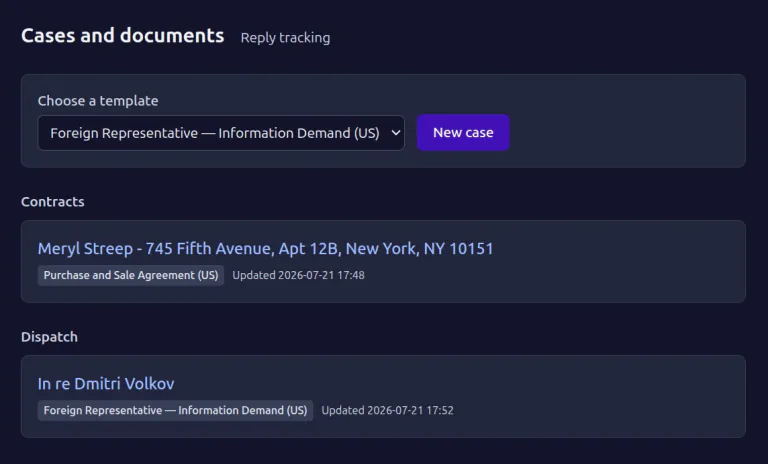
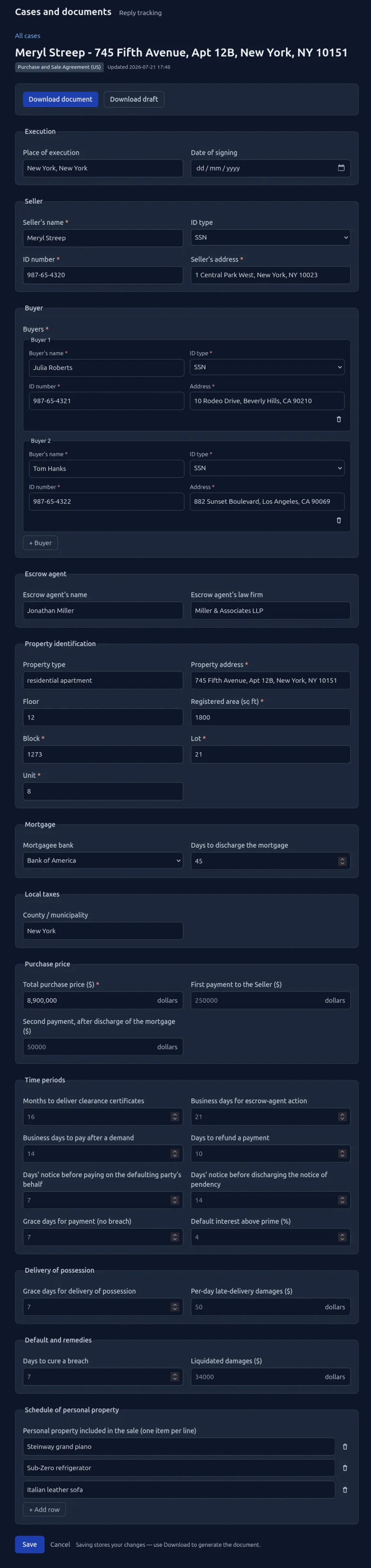
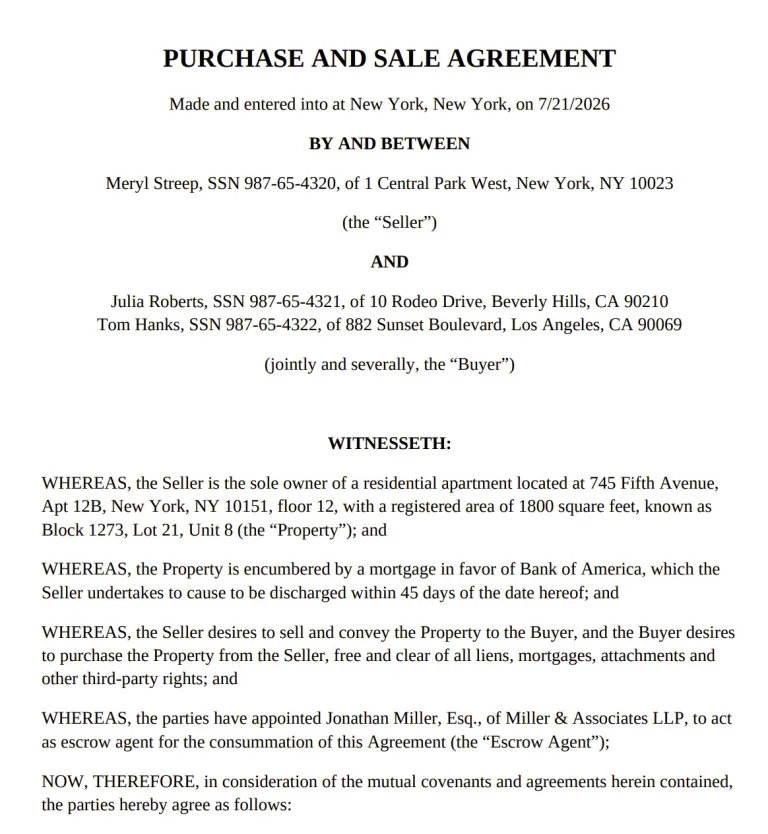
- An email comes in, and AI drafts a contract based on the right template. All it needs is your decision
- The wrong copy-paste caught before it goes out
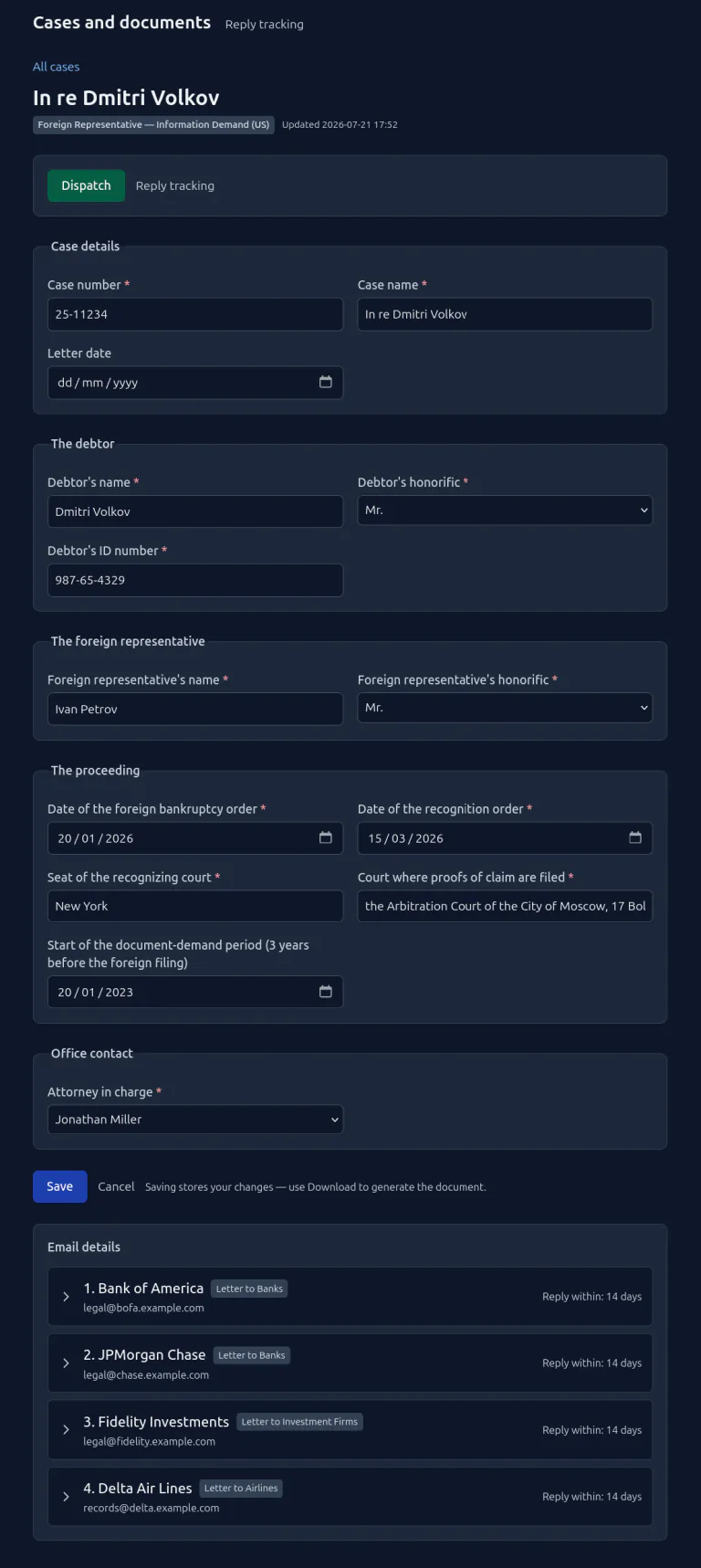
- One order in, every recipient's email out, delivery confirmations tracked for you
- That thing you've been dreaming about. AI can build it, and free your time to do better things
We are not the first to notice that law firms and software firms have
something in common. We will not pretend to fully understand your world.
Still: we write code, and in a way, so do you.
Read more…
Our world, the software world, changed beyond recognition in the past year. We have been at this for twenty years and have never seen anything like it. Suddenly, writing code became cheap. Hand something to AI and it will not stop producing lines of code. It is astonishing. And, as you can imagine, without expert guidance, it’s a hot mess.
In our field, whoever has not embraced AI has already lost the next client. Among lawyers? If it has not happened yet, it is getting close. That is not FOMO talking. It is the reality.
So why not use it? Why keep doing the repetitive, error-prone work by hand when solving it has become this affordable?
Here are two small examples that may be relevant to you too. They are only examples. The fun part is that small, smart tools can be built to fit your needs exactly.
Contracts that repeat themselves can become smart templates. What makes them smart? They flag mistakes, and we have seen plenty: a copy-paste from the wrong file, an ID number that appears twice, sums that do not add up, an amount in digits that says one thing while the amount in words says another. You already prevent these today, by reading the document again and again. That is time you can get back.
Another one. A court order arrives, say an insolvency order, and now many parties each need an email with the document that concerns them. Sound familiar? How long did the last one take: drafting the email, hunting down every recipient? What if you could hand the order to AI and get the emails prepared for you, and while it is at it, have it watch your inbox for delivery confirmations. Nice, no? We built exactly that. And it was only the beginning.
Today you can write less and do fewer manual steps, and spend the time where it counts: on decisions. AI executes, but it needs direction. That direction, that judgment, is why clients come to you in the first place. It deserves your time and attention, and that is exactly what we free up.
Building these tools, smart, secure, and fast: that's our expertise.
What happens when it misses an error?
It will, some of the time - no system is perfect. That is why the careful read moves to the template: you sign off on it once, properly, the way you would a document going out tomorrow, and every contract that comes off it inherits that read. What the tool checks on each document after that is arithmetic, sums that do not add up, an ID that appears twice, digits that disagree with the words beside them, and those it catches every time. Whether the clause is right for this client is a different kind of question, and it can help there too, flagging what reads oddly for a deal shaped like this one. The final decision is yours - that part stays with the person who signs.
Does this replace the junior who does the proofreading?
Not necessarily the person, but yes, it changes the job, and that is rather the point. The hours spent proofreading for typos and mismatches were never why anyone went to law school. What is left is the part that needs a lawyer: whether the terms actually serve this client, what the other side will push on, what is missing rather than what is mistyped. Work that requires human judgment.
Does it handle our jurisdiction and our language?
That is the only way it works. A template is jurisdiction-specific by definition, so it is built from your forms rather than from a general idea of what a contract looks like. The example on this page was built around one court's information demand, down to the fourteen-day reply window that court sets. Language works the same way: a Spanish contract stays a Spanish contract, and the checks run in that language too.
Does this fit the software we already run?
Usually yes, and it asks less of you than it sounds. The emails go out from the inbox your team already uses, and the documents arrive as files you open like any other draft. Where your case management system has a way in, it goes through that. Where it does not, it sits beside what you have and covers the part your software never did.
Can we start with one part of it?
Yes, and it is the sensible way in. These are separate tools that happen to sit near each other, so you can take one and leave the rest. Most firms start with whichever document they produce most often, watch it work for a few weeks, and decide from there.